The Role of Gold and Commodities as a Portfolio Hedge
When Your Stocks Are Sinking, Who’s Your Shiny Friend?
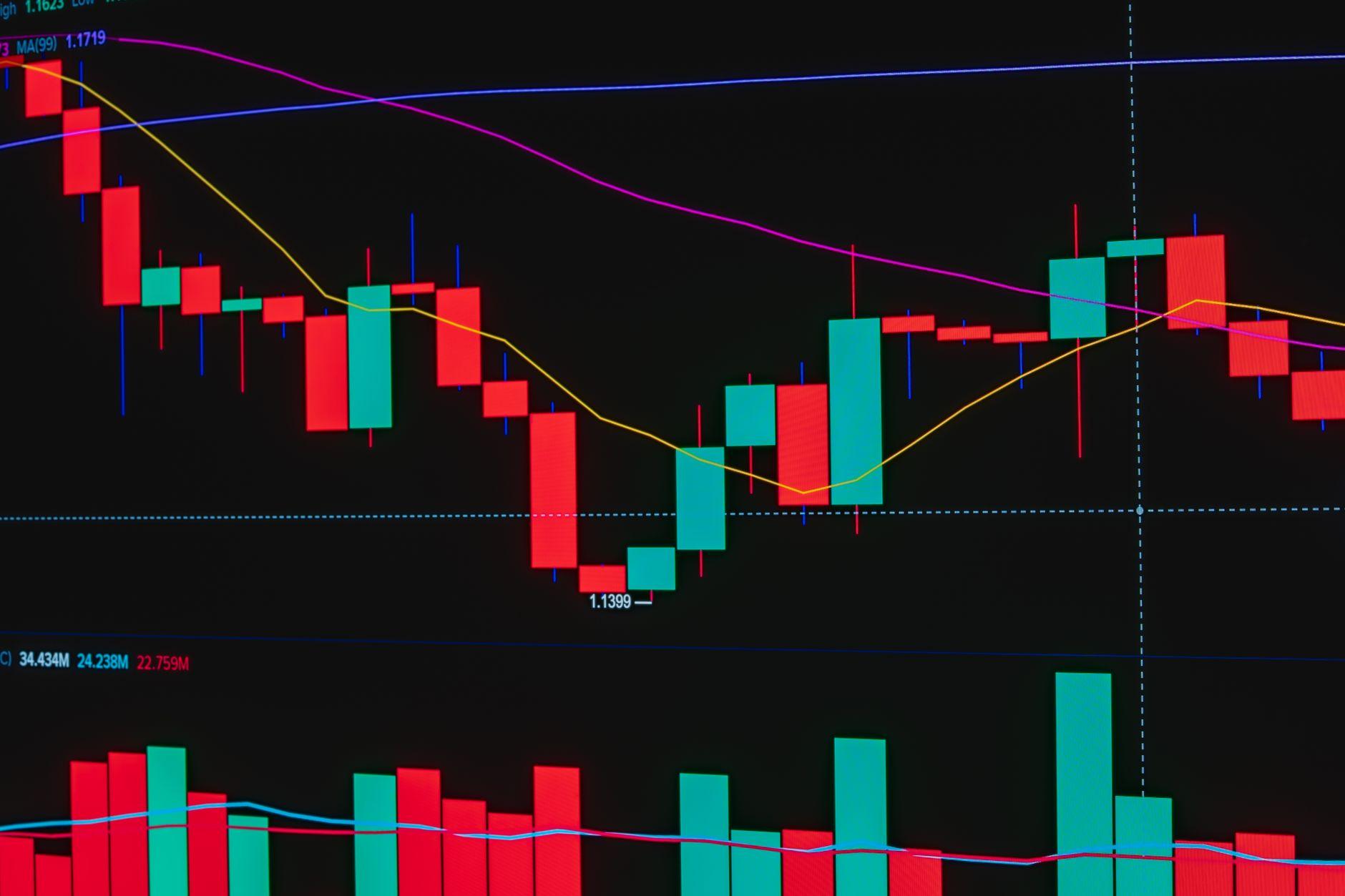
I remember a client, bless his heart, who was absolutely convinced that putting all his eggs into a handful of tech stocks was the path to early retirement. Then the dot-com bubble burst, and suddenly his “early retirement” plan looked more like “late-life ramen.” That’s the kind of gut-wrenching lesson that makes you question everything, and it’s precisely why people look to things like gold and other commodities when the market gets wobbly. They’re supposed to be these safe havens, right? Things that don’t just tank when the S&P 500 takes a nosedive.
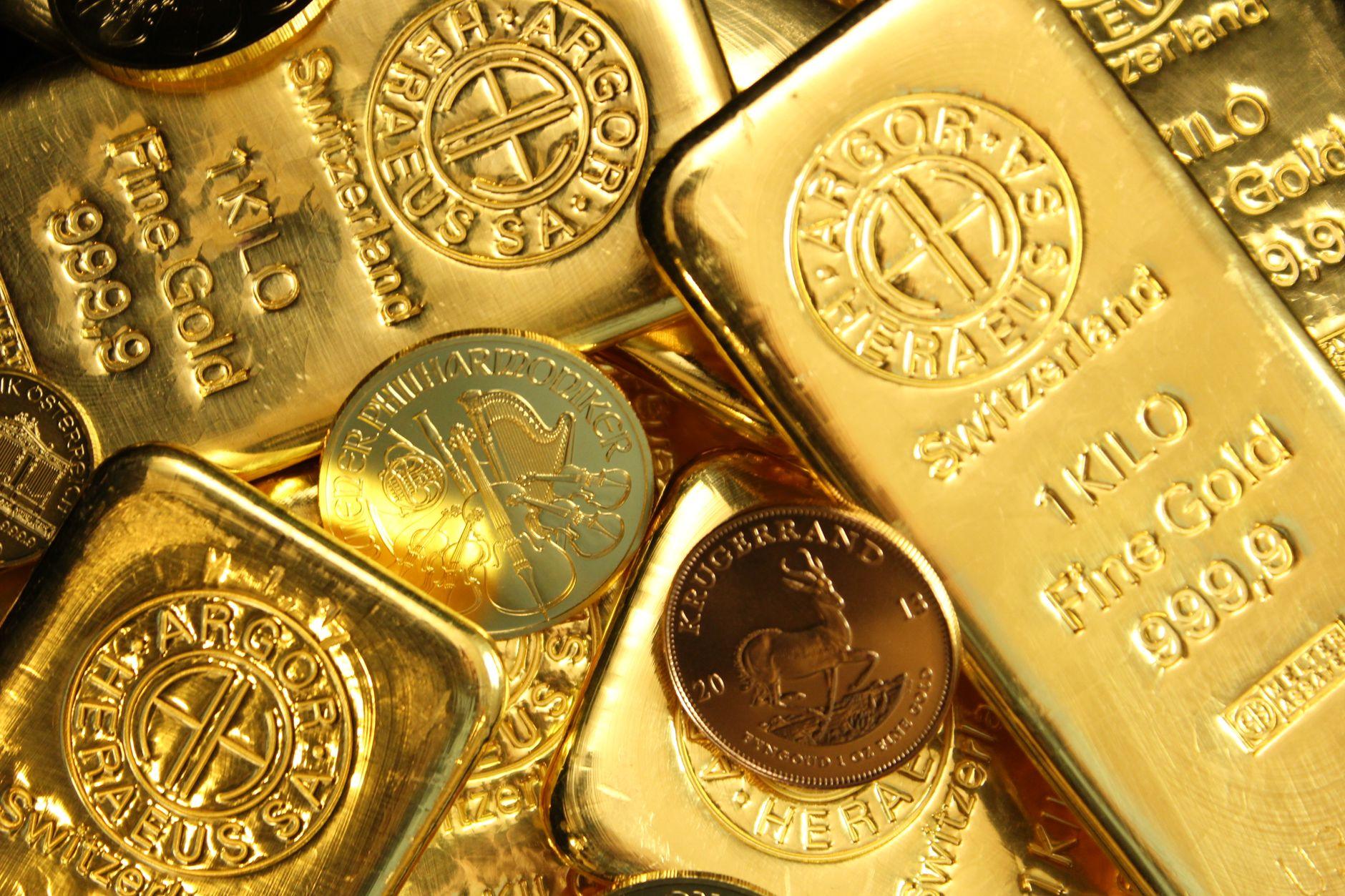
Think about gold. It’s been a store of value for thousands of years, way before any fancy financial instrument was invented. When inflation starts running wild, or there’s geopolitical tension brewing, investors often flock to gold because it’s perceived as a tangible asset that holds its worth. During the financial crisis of 2008, while many stocks were plummeting, gold prices actually saw a significant rise. That’s the kind of behavior people are hoping for when they diversify their portfolios with precious metals. It’s not just about gold, either; other commodities like oil, silver, and even agricultural products can play a role.
The theory behind using commodities as a hedge is pretty straightforward. They often move independently of, or even inversely to, traditional assets like stocks and bonds. When the economy heats up too much and sparks inflation, the prices of raw materials tend to go up. Conversely, if the economy slows down and people stop buying as much, stock markets might suffer, but demand for certain commodities could also decrease, potentially impacting their prices too. It’s a complex dance.
My own portfolio, for a while, had a small allocation to gold ETFs (Exchange Traded Funds), and honestly, during that rough patch in 2022, seeing that little bit of green while my tech stocks were bleeding red felt like a superpower. It wasn’t a massive gain, not enough to retire on by itself, but it was a comforting cushion. I’ve seen people put a decent chunk, say 5-10% of their portfolio, into gold or a diversified commodity index fund with the express purpose of dampening volatility.
However, it’s not all sunshine and perfect hedges. The biggest criticism I hear, and frankly, it’s valid, is that commodities can be incredibly volatile themselves. Oil prices, for example, can swing wildly based on supply disruptions, political events in major producing nations, or even just the weather. A commodity that’s supposed to be your safe haven can suddenly become a source of major losses if you’re not careful. Remember back in 2014 when oil prices crashed from over $100 a barrel down to below $30? Yeah, that wasn’t a great time to be heavily invested in oil futures.
Also, you have to consider the costs involved. Owning physical gold, for instance, means paying for secure storage and insurance. If you’re investing in commodity futures contracts, you’re dealing with margin calls and the complexities of expiration dates. Even commodity ETFs have management fees that eat into your returns over time. It’s not as simple as just buying a stock and forgetting about it. The tracking error for some commodity ETFs can also be a real headache; they might not perfectly mirror the price movements of the underlying commodity you’re interested in.
What truly frustrates me is when people treat commodities like a guaranteed get-rich-quick scheme or an infallible hedge. They’re tools, and like any tool, they’re best used with understanding and in the right context. A diversified approach across different commodities can help mitigate some of the individual risks. For example, you might find resources on platforms like Investopedia that detail how different commodity sectors perform under various economic conditions.
The cost of carry is another often-overlooked aspect of commodity investing. This refers to the expenses associated with holding a commodity over time, including storage, insurance, and financing costs. For physical commodities, these costs can be substantial. Even for futures contracts, the difference between the spot price and the futures price can reflect these carrying costs, impacting your potential returns. This is a crucial detail that many new investors miss.
When all is said and done, the idea of using gold and commodities as a portfolio hedge is a sound one in principle, offering a potential buffer against market downturns and inflation. However, the actual implementation requires a deep understanding of their unique risks and costs. Some analysts at Forbes have explored the nuances of gold’s role, highlighting both its traditional safe-haven status and its speculative aspects.
Despite all the talk of diversification and hedging, sometimes the best way to protect your money is simply to hold cash, which paradoxically, is often the worst performing asset over the long run.