The Case for Investing a Lump Sum Versus Spreading It Out
Big Splash or Slow Drip: Which Way to Plunge Your Hard-Earned Cash?
Fifty grand. That’s a nice chunk of change for most folks, right? Imagine you’ve just come into a windfall, maybe from an inheritance or selling a successful side hustle. Now you’re staring at it, and the big question hits: invest it all at once (a lump sum), or spread it out over time (often called dollar-cost averaging)? It’s a classic debate, and frankly, it drives me a little nuts because there’s no single “right” answer for everyone, but there are definitely stronger arguments for one side.
The lump sum investing strategy is all about getting your money to work for you ASAP. The idea is that markets, over the long haul, tend to go up. So, if you have the cash ready, the sooner it’s in the market, the sooner it can start growing. Think about it: if you drop that $50,000 into an investment account on January 1st, and the market gains 10% by December 31st, you’ve made $5,000. If you’d split that $50,000 into 12 equal parts and invested $4,167 each month, you’d have earned less on the money invested later in the year, especially if the market took a dip early on. Historically, studies from places like Vanguard have shown that lump sum investing often outperforms dollar-cost averaging over 70-80% of the time. That’s a pretty compelling statistic.
But man, oh man, does the dollar-cost averaging approach offer some serious peace of mind. It’s like this: you commit to investing a fixed amount of money at regular intervals, say $1,000 every month. This way, you’re not trying to time the market, which, let’s be honest, is a fool’s errand for most of us. When prices are high, your fixed amount buys fewer shares. When prices are low, that same fixed amount buys more shares. This strategy can help reduce your risk of buying everything at a market peak. I remember a friend who got a $20,000 bonus and decided to invest it all at once right before the 2008 financial crisis. He was absolutely gutted when his portfolio tanked. If he’d spread it out, the pain wouldn’t have been so immediate or so severe.
Here’s the real kicker, though, and it’s where I get genuinely frustrated: people often think they’re doing dollar-cost averaging when they’re really just being timid. They have the cash, but they’re afraid to commit. They’ll invest $5,000 today, then $1,000 next month, then maybe another $2,000 a few months later. That’s not a strategy; that’s just procrastination masked as prudence. True dollar-cost averaging is a disciplined, automatic process. You set it and forget it. Missing out on potential gains because you’re scared is a costly mistake.
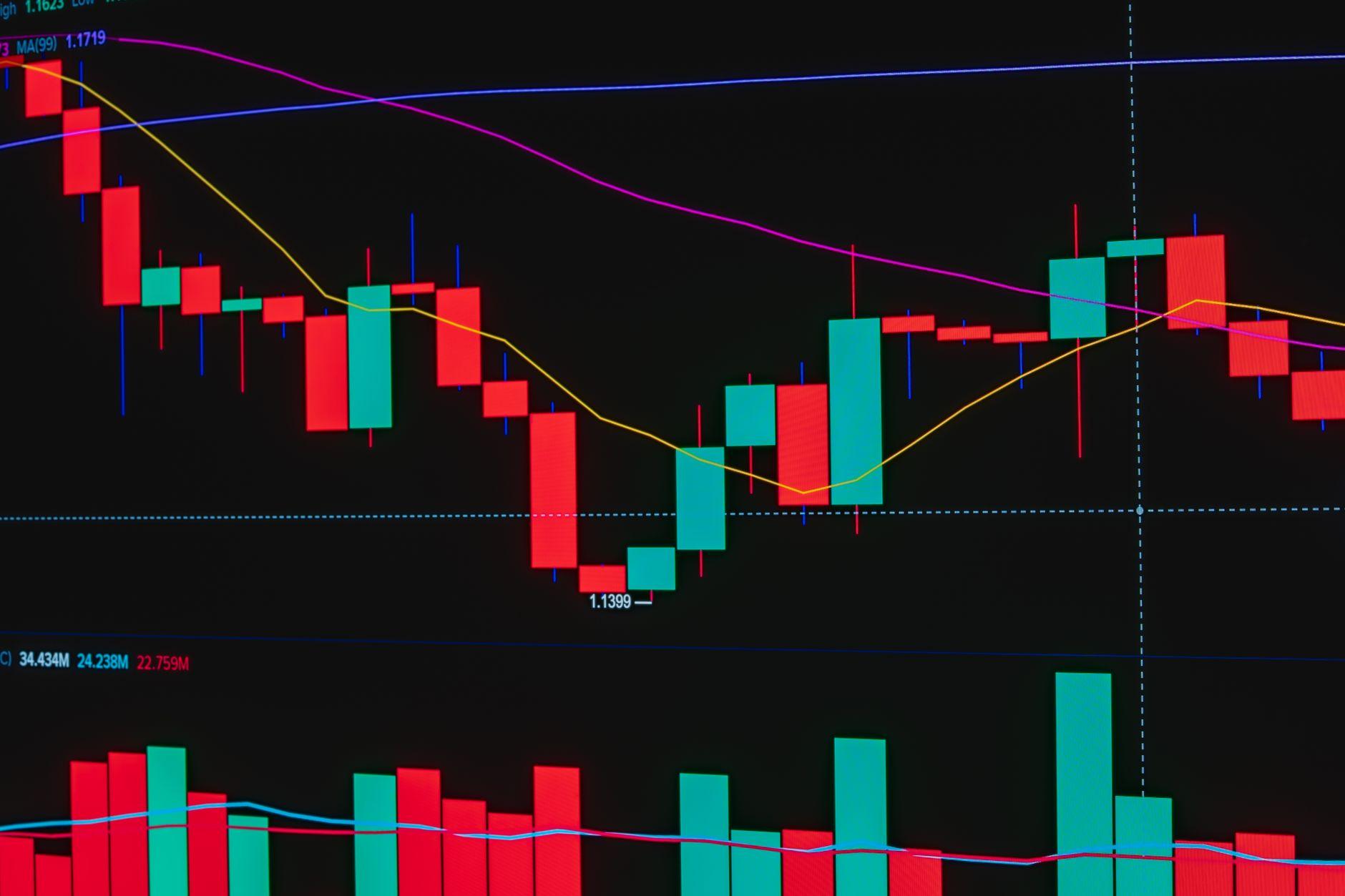
Now, let’s talk about the flip side of lump sum investing, and it’s a big one: timing the market incorrectly. You might be sitting on your cash, feeling good about waiting for the “perfect moment,” only for the market to surge ahead without you. Think about the tech boom in the late 1990s or the recent rally in AI stocks. If you had the money but waited for the “dip” that never came, you missed out on significant growth. Investing that lump sum on, say, March 1st, 2020, just before the COVID-19 crash, would have been brutal in the short term. However, by early 2021, those investors would likely have seen substantial gains as the market recovered and surged. This strategy absolutely requires a strong stomach. You can read more about market timing and its pitfalls on Investopedia.
The primary criticism of dollar-cost averaging, as I see it, is that you’re often leaving money on the table. If the market is in a consistent upward trend, you’re essentially choosing to buy fewer shares at lower prices and more shares at higher prices, when you could have just bought all those shares earlier at the lower prices. A $100,000 investment made over 12 months via dollar-cost averaging might end up with a slightly lower total return compared to investing the entire $100,000 on day one, assuming a generally positive market. The opportunity cost is real. You can find more on the downsides of dollar-cost averaging from sources like NerdWallet.
Ultimately, your decision often boils down to your risk tolerance and your emotional fortitude. If you can handle the potential short-term volatility and have a long-term perspective, lump sum investing often offers the better mathematical outcome. It’s about maximizing your exposure to potential market gains from the get-go. However, if the thought of seeing your portfolio drop significantly in value causes you sleepless nights, the disciplined approach of dollar-cost averaging might be the more sustainable path for you, even if it means potentially lower long-term returns. This isn’t about which method is better, but which method you can actually stick with. For a deeper understanding of investment strategies, the U.S. Securities and Exchange Commission (SEC) offers valuable resources.
You know, sometimes I think the whole debate is a distraction. Maybe the real secret isn’t how you invest, but that you invest at all.