The Difference Between Passive Income and Active Trading Strategies
Building Wealth While You Sleep vs. Hustling for Every Dollar
You know, I’ve seen so many people get confused about how they’re supposed to make money grow. They hear “passive income” and think it’s some magic trick, like money just appears. Then you have active trading, which sounds like you’re supposed to be glued to a screen, frantically trying to catch every little market swing. It’s like comparing a well-tended garden that gives you fruit year after year to a bustling farmer’s market where you’re haggling for every tomato.
My friend Sarah, she’s been trying to get into investing for years. She started with some dividend stocks, figuring that’s passive income, right? She’d get a few bucks every quarter, and honestly, it felt… slow. It wasn’t what she pictured when she heard “passive income.” It was more like a tiny trickle than a stream. She wanted the big wins, the excitement. That’s where active trading comes in. People get drawn to the idea of making quick profits by buying and selling stocks, cryptocurrencies, or forex. They think they can outsmart the market.
The core difference is in the effort and time commitment. Passive income is about setting up streams that generate money with minimal ongoing effort. Think of rental properties where you have a property manager, or investing in index funds that track the market. Once you’ve done the initial work – buying the property, researching the funds – the income flows without you actively trading or managing day-to-day operations. It’s about building assets that work for you.
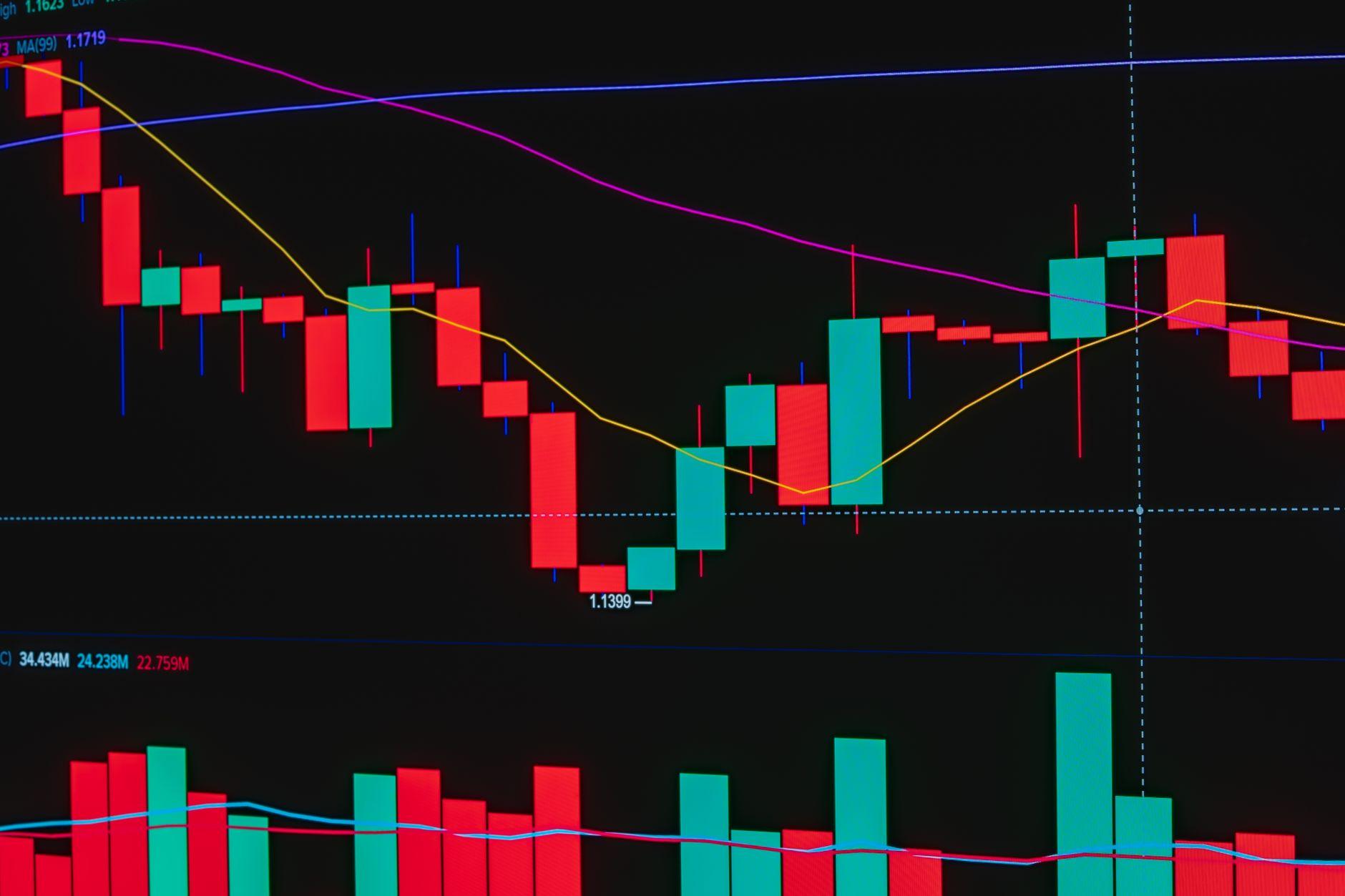
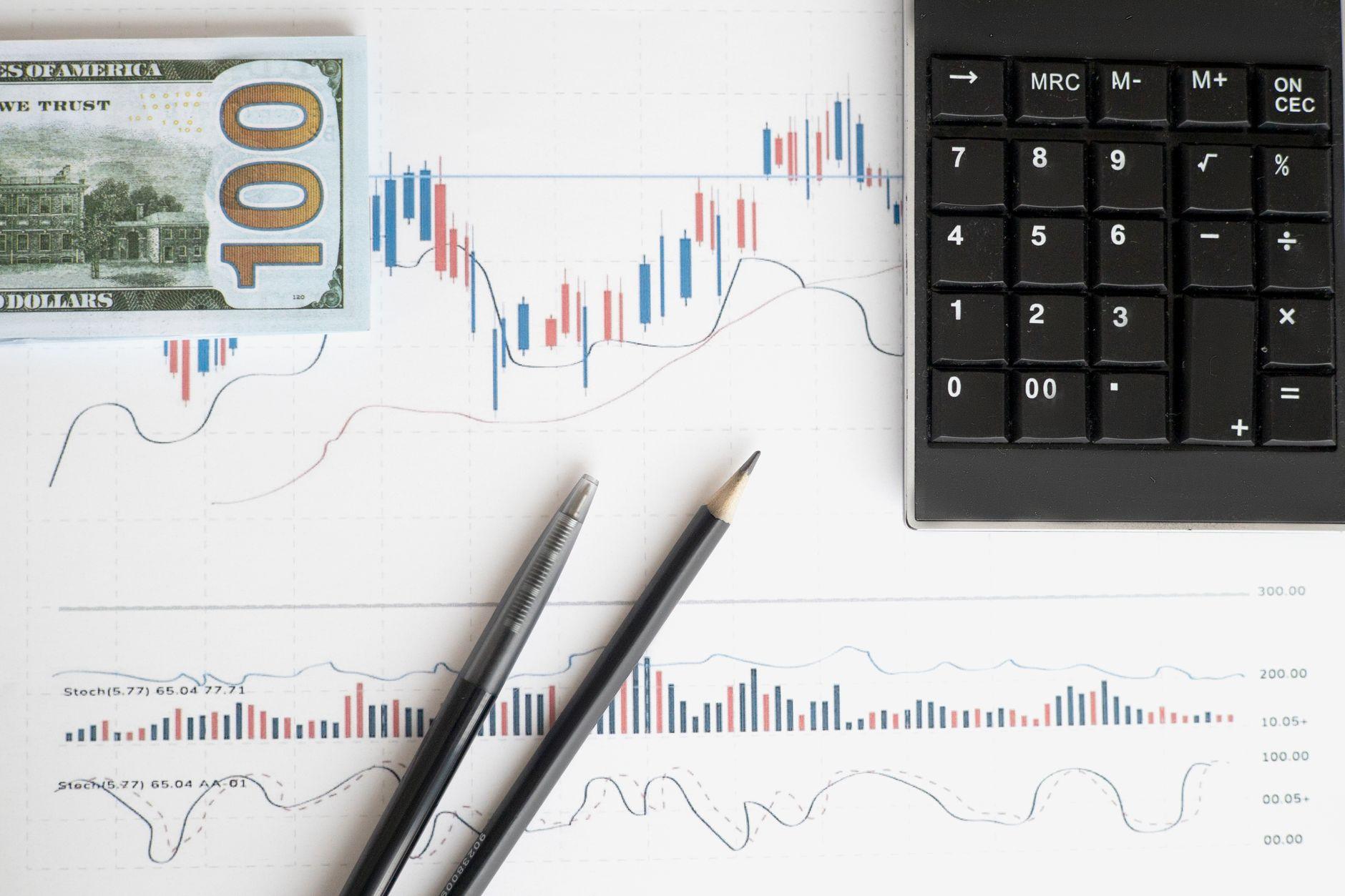
Active trading, on the other hand, is a full-blown job for many. It requires constant monitoring, analysis, and quick decision-making. You’re not just buying and holding; you’re trying to predict price movements, whether it’s day trading stocks for a few cents per share or swing trading for larger gains over a few days or weeks. This isn’t something you can usually do while also holding down a full-time job unless you have serious discipline and time.
Honestly, I get so frustrated when I see people jump into active trading without understanding the sheer amount of work involved. They see a guru on social media making millions and think it’s easy. It’s not! Take my cousin Mark, bless his heart. He dove headfirst into options trading, convinced he’d get rich quick. He’d spend hours glued to charts, chasing these tiny price fluctuations. Within six months, he’d lost a significant chunk of his initial investment, not because the market was against him, but because he was simply exhausted and making rash decisions. He realized pretty quickly that active trading demands a level of focus and emotional control that’s incredibly difficult to maintain consistently. For him, it wasn’t passive; it was pure, unadulterated stress.
Passive income strategies often involve a larger upfront investment of either money or time, but the ongoing management is significantly less. Building a successful blog that generates ad revenue or affiliate income, for example, takes a lot of initial effort to create content and build an audience. But once it’s established, it can bring in money with much less daily input than, say, flipping houses. Another classic is earning royalties from a book you wrote years ago or a song you composed. That’s the dream, right?
Here’s the kicker, though: passive income isn’t always truly passive. Even with rental properties, unexpected repairs can pop up, or tenants can cause headaches. You might need to switch to a more hands-on approach for a while. My aunt, who owns several apartments, still has to deal with plumbing issues and late rent payments, even with a property management company. It’s a common criticism that the “passive” part is often oversold. It requires initial setup and periodic maintenance, not just a flick of a switch.
Active trading, conversely, can offer the potential for higher and faster returns, but the risks are also dramatically higher. You’re directly exposed to market volatility. If you’re day trading, missing a crucial news event or making a single emotional trade can wipe out days or weeks of gains. A study by the U.S. Securities and Exchange Commission suggests that a vast majority of retail traders actually lose money over time. It’s a zero-sum game, meaning for every winner, there’s a loser, and the house (brokers and fees) often takes a cut.
Investing in a diversified portfolio of blue-chip stocks that pay dividends, for example, is a staple of passive income. Companies like Johnson & Johnson or Coca-Cola have a long history of increasing their dividend payouts, providing a steady, albeit often modest, income stream. The initial research to select these solid companies is key, and then you just hold on and collect. Similarly, lending money through peer-to-peer lending platforms can generate interest income. You vet the borrowers, fund the loans, and then collect interest payments over time. It’s definitely more hands-off than actively picking individual stocks for short-term gains.
It’s genuinely surprising how many people chase the active trading dream without considering the psychological toll. The constant need to be right, the anxiety of watching your account balance fluctuate wildly, it can be brutal. For someone like me, who values peace of mind, the idea of constantly managing trades is exhausting. I’d much rather set up a real estate crowdfunding investment or buy into a solid REIT (Real Estate Investment Trust) and let that compound over time. It feels more sustainable.
The reality is, for most people, a blend works best. You might have a core passive income portfolio in index funds and dividend stocks for long-term growth and stability, as outlined by resources like Investopedia. Then, if you have a genuine interest and the spare capital (money you can afford to lose), you might dabble in active trading with a very small portion of your funds, treating it more like a hobby with potential for profit rather than a primary income source. Think of it as putting some money into long-term growth stocks and bonds for your retirement, and then using a small amount for speculative trading in something like emerging market ETFs if you’re feeling adventurous.
Ultimately, whether you’re aiming for passive income from digital products you created once, like an online course, or you’re actively trying to profit from daily market shifts, understanding your own risk tolerance and time availability is paramount. It’s not about which strategy is inherently “better,” but which one aligns with your life and your financial goals.
People often forget that passive income requires a significant initial investment of either time or money, and active trading has a steep learning curve that frequently leads to losses.