What a Brokerage Account Actually Does Behind the Scenes
Your Money’s Secret Society: What a Brokerage Account Really Does
I remember opening my first brokerage account like it was yesterday. I was in my early twenties, armed with a few thousand dollars saved from a side hustle, and absolutely no clue what was actually happening after I hit that “buy” button. It felt like tossing money into a black hole, hoping it would magically turn into more money. Turns out, there’s a whole lot going on behind the curtain, and it’s not quite as mysterious as I once thought.
A brokerage account essentially acts as your gateway to the financial markets. Think of it as a highly regulated, digital holding pen for your investments. When you want to buy stocks, bonds, ETFs, or other securities, you don’t just hand cash to a person on a trading floor anymore. Instead, you log into your brokerage account, place an order, and your brokerage firm facilitates that transaction on your behalf. They connect buyers and sellers, making sure the right shares end up in your name and the right amount of cash leaves your account. It’s all about streamlining the process so folks like you and me can participate in wealth creation without needing to be Wall Street insiders.
So, what happens when you click “buy”? Your broker uses sophisticated trading platforms to send your order to the appropriate exchange, like the New York Stock Exchange (NYSE) or the Nasdaq. These exchanges are massive marketplaces where buyers and sellers meet. Your broker finds someone on the other side of your trade – a seller willing to part with the shares you want at the price you’re willing to pay. This is often done electronically and at lightning speed, sometimes in fractions of a second. The brokerage firm then handles the settlement, which means ensuring the shares are officially transferred to your account and the money is debited from yours. It’s a complex dance of technology and regulation designed to ensure fairness and efficiency.
But it’s not all sunshine and rainbows. One of the biggest headaches, and honestly a real frustration for me personally, is the sheer amount of fees that can creep into your investments. Even with commission-free trading becoming more common for stocks and ETFs, you’re still dealing with potential account maintenance fees, transfer fees, and sometimes even inactivity fees. A brokerage firm has to make money, of course, but sometimes it feels like they’re nickel-and-diming you. I once found out after a year that I was being charged a small monthly fee for a premium feature I didn’t even realize I had activated. Ugh! Always read the fine print on their fee schedules, seriously.
Your brokerage account also holds your investments in what are called “street name.” This means the actual securities are registered in the name of the brokerage firm, not your individual name. This is done for efficiency, allowing for easier trading and settlement. However, it’s a critical distinction to understand, especially regarding your ownership rights. While you are the beneficial owner, the securities are held by the broker on your behalf. If the brokerage firm were to go bankrupt – a rare but not impossible event – your investments are typically protected by the Securities Investor Protection Corporation (SIPC), which insures brokerage accounts up to $500,000 per customer, including $250,000 for cash. You can read more about SIPC on their official website.
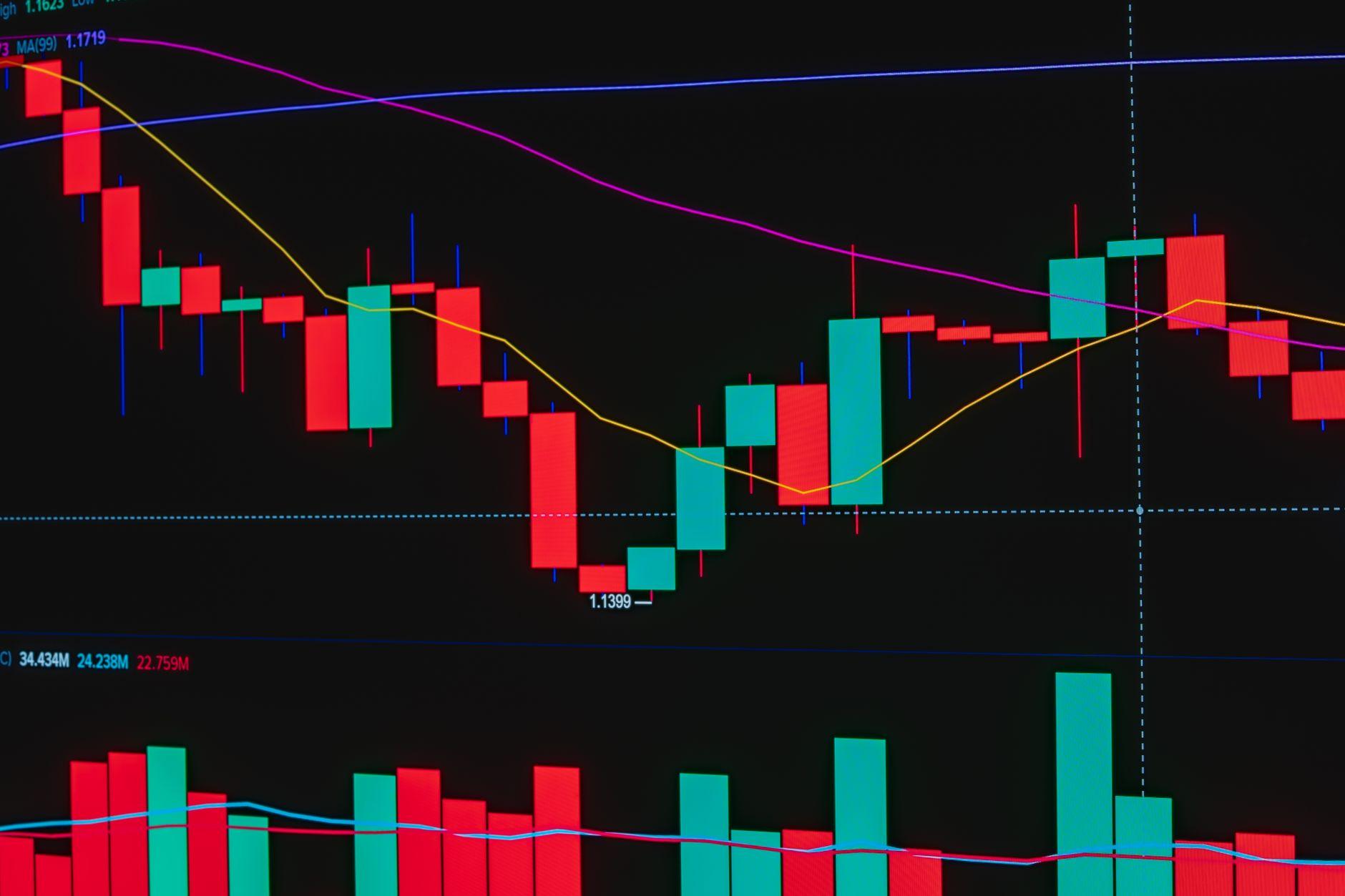
The brokerage firm also plays a role in providing research and tools to help you make informed decisions. Many offer charting software, analyst ratings, and financial news directly through their platforms. Some even provide financial advisors or automated robo-advisor services for an additional fee. For example, a large firm like Fidelity or Charles Schwab will offer a vast array of educational resources to help you understand different investment vehicles and market trends, which can be invaluable for beginners and experienced investors alike.
Ultimately, a brokerage account is a tool, a very powerful one, for participating in the markets. It’s where your cash sits before it’s invested and where your securities reside once you own them. They handle the plumbing of the financial system, connecting you to opportunities you wouldn’t otherwise have. But before you just deposit a wad of cash, remember that owning securities is generally safer than owning the brokerage account itself.