The Role of Bull and Bear Markets in Long-Term Investment Planning
Riding the Waves: How Bull and Bear Markets Shape Your Wealth Journey
I remember when I first started investing, I thought it was all about picking the hottest stocks and watching them skyrocket. Then the market crashed, and suddenly those hot stocks were worth pennies on the dollar. It was a brutal wake-up call, and honestly, it still stings a bit to think about how much I lost back then. That experience hammered home just how crucial understanding bull and bear markets is for any long-term investment plan. You can’t just ignore the big picture; you’ve got to work with it.
A bull market is basically when stocks are on an upward climb for an extended period, generally months or even years. Think of a bull charging forward, horns up. Prices are rising, investor confidence is high, and there’s a general sense of optimism. This is when your portfolio tends to grow nicely, and it feels pretty darn good. For instance, the period from 2009 to early 2020 was a pretty significant bull run for the U.S. stock market, with major indices like the S&P 500 seeing massive gains. Investors who were active during this time likely saw substantial growth in their retirement accounts and other investments.
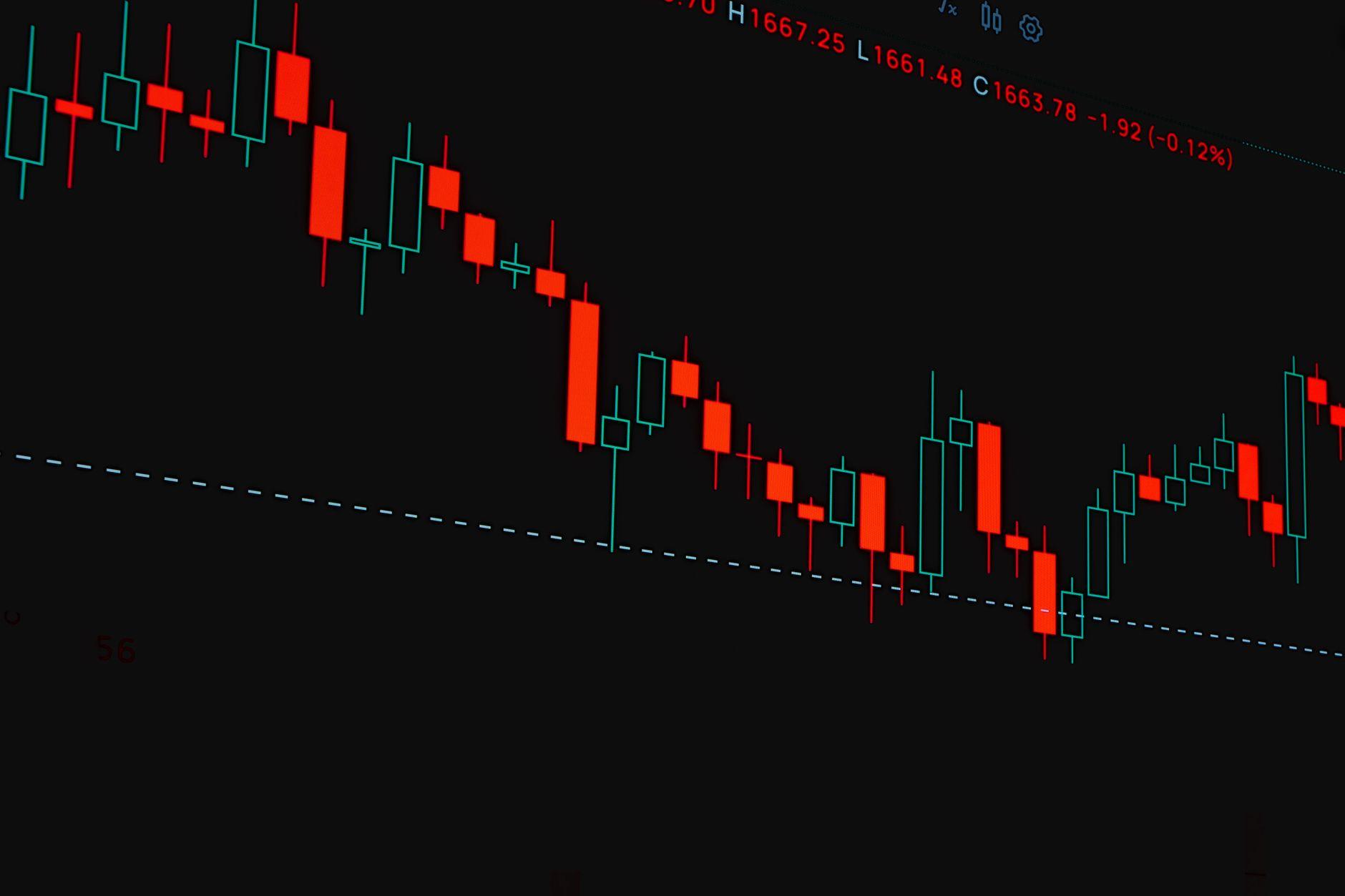
On the flip side, a bear market is the opposite. It’s a prolonged period where stock prices are falling, typically by 20% or more from their recent highs. This is when a bear hibernates, hunkering down, and the mood turns gloomy. You’ll see widespread pessimism, and many investors get spooked, leading to even more selling. The COVID-19 pandemic triggered a very sharp and sudden bear market in early 2020, with the market dropping significantly in just a few weeks. While it was short-lived, it was a stark reminder that even a well-planned portfolio can take a hit.
Here’s the real kicker for long-term investors: you can’t time these markets perfectly. Nobody has a crystal ball that accurately predicts when a bull will turn into a bear or when a bear will finally retreat. Trying to jump in and out of the market based on these predictions is incredibly difficult and often leads to missed opportunities or bigger losses. I’ve seen friends try to do it, and more often than not, they end up buying high and selling low. It’s frustrating because you know what you should be doing, but the emotional pull of the market is so strong.
This is precisely why a long-term investment strategy is so vital. If you’re investing for retirement, say 20 or 30 years down the road, you’re going to experience multiple bull and bear cycles. The key is to stay invested through the ups and downs. Think of it like riding a roller coaster. There are exhilarating highs, but there are also terrifying dips. If you bail out every time the coaster goes down, you’ll never enjoy the ride or reach the destination. A diversified portfolio, including stocks, bonds, and perhaps real estate, can help cushion the blows during a downturn. According to Investopedia, diversification is a strategy used to reduce risk by allocating investments across various financial instruments.
One of the biggest criticisms of this approach, however, is the sheer emotional toll. Watching your hard-earned money shrink by tens of thousands of dollars during a bear market is incredibly stressful. It tests your resolve and makes you question every decision. For example, someone who had accumulated a significant nest egg for retirement and then saw it drop by 30% or more in a few months might feel a desperate urge to sell everything and protect what’s left. This fear-driven decision, unfortunately, often locks in those losses and prevents them from participating in the eventual recovery. It’s a human reaction, but it’s often the wrong one for long-term wealth building.
So, what’s the practical application? It means focusing on the big picture. Instead of obsessing over daily market fluctuations, your focus should be on your asset allocation and ensuring it aligns with your risk tolerance and financial goals. For many, this involves a strategy like dollar-cost averaging. This means investing a fixed amount of money at regular intervals, regardless of market conditions. When the market is down, your fixed amount buys more shares, and when the market is up, it buys fewer. This simple habit can smooth out your investment returns over time. You can learn more about dollar-cost averaging on NerdWallet’s guide to investment strategies.
It also means rebalancing your portfolio periodically. Over time, certain asset classes will perform better than others, shifting your intended asset allocation. If stocks have soared, they might now represent a larger portion of your portfolio than you initially planned, increasing your risk. Rebalancing involves selling some of the high-performing assets and buying more of the underperforming ones to bring your portfolio back to its target allocation. Think of it as trimming the overgrown parts and nurturing the ones that need a little help. This discipline is crucial for managing risk, as detailed in this Forbes article on portfolio rebalancing.
The historical data is quite clear on this. While bear markets can feel devastating in the moment, the stock market has historically recovered and gone on to reach new highs. The U.S. stock market, for example, has experienced numerous recessions and bear markets throughout its history, but the overall trend has been upward. A quick look at charts from the Securities and Exchange Commission (SEC) shows periods of sharp decline followed by periods of sustained growth. This long-term upward trend is what long-term investors rely on.
Ultimately, understanding bull and bear markets isn’t about predicting the future; it’s about preparing for the inevitable cycles of the market. It’s about having a plan that can withstand the storms and capitalize on the sunshine. Your investment strategy should be robust enough to handle both the charging bull and the retreating bear, ensuring that your wealth journey isn’t derailed by short-term market noise. The most successful investors are the ones who realize that sometimes, the best action to take is no action at all, especially when everyone else is panicking.