The Case for Automatic Investing Plans Over Manual Decision-Making
Ditching the Crystal Ball: Why Automation Beats the Emotional Investor
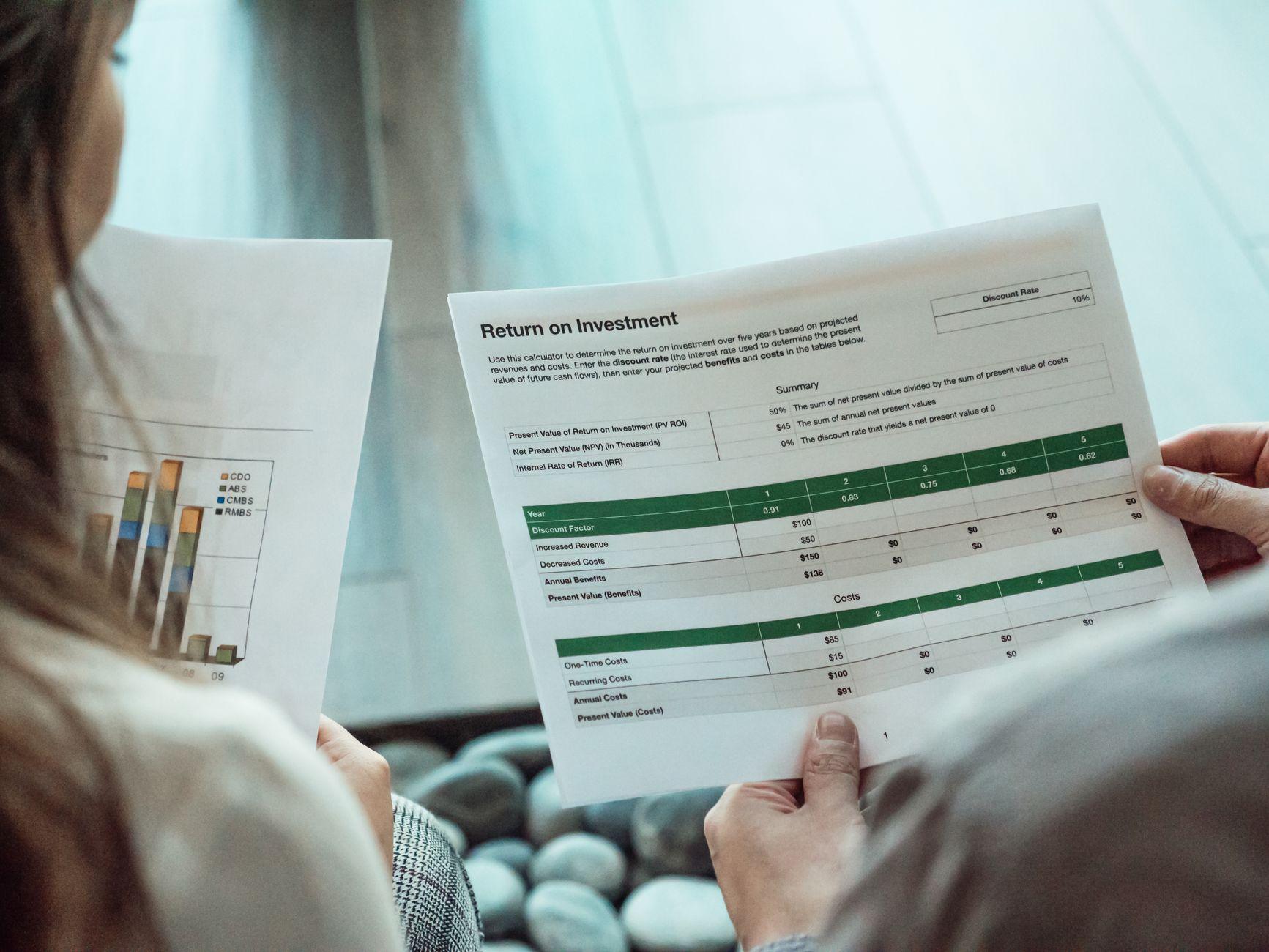
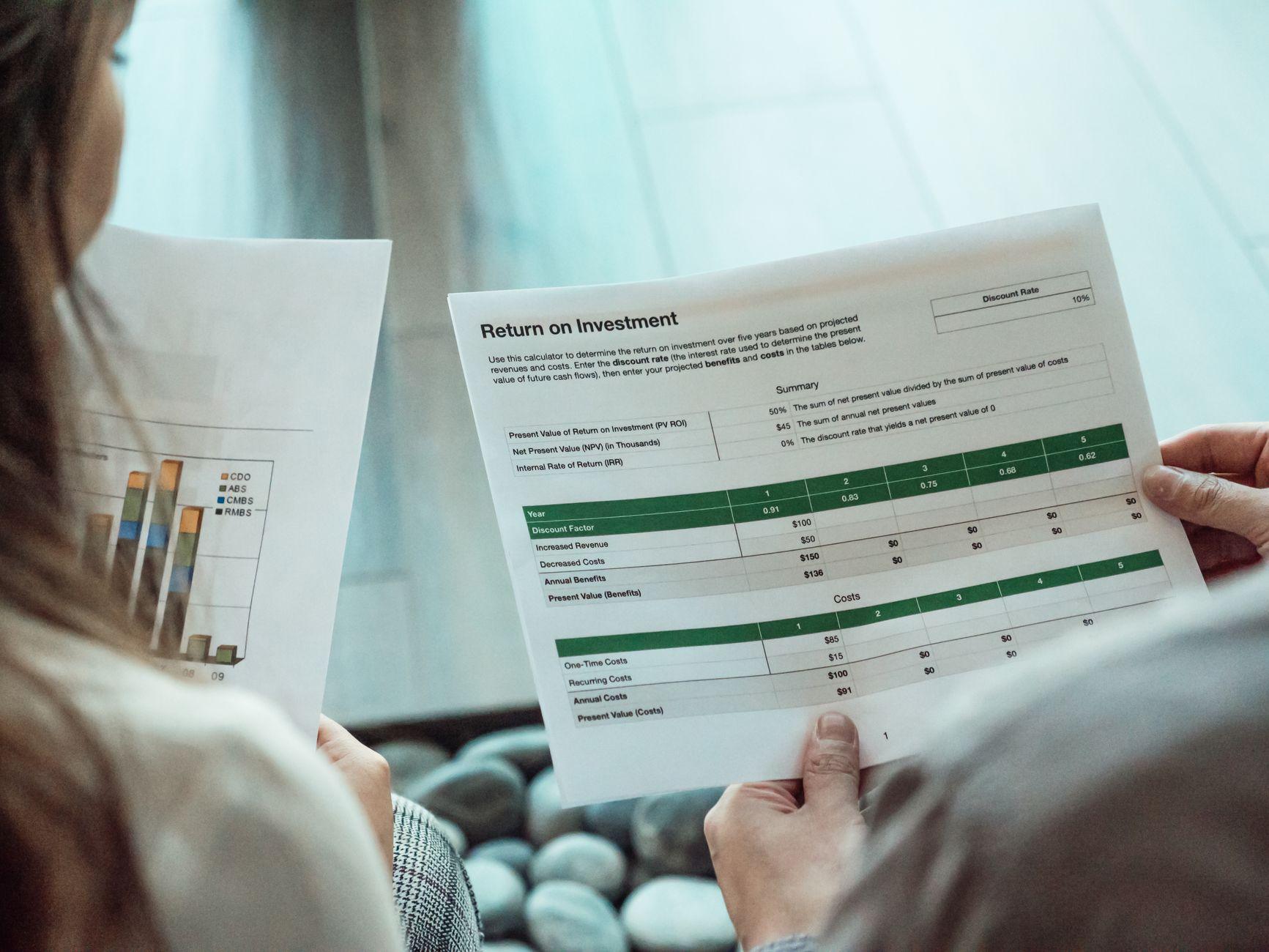
I remember staring at my brokerage account balance after a particularly rough market day. It felt like watching my own money disappear into a black hole. That gut-wrenching feeling? It’s the exact reason automatic investing plans are such a lifesaver for most people, myself included. Trying to time the market or make rash decisions based on headlines is a losing game. You’re basically gambling, and my gambling days are mostly behind me, thankfully. Automated investing takes that emotional rollercoaster right out of the equation.
My first foray into investing was a disaster because I was constantly checking prices. I’d buy because I saw something jump, then panic and sell when it dipped. I lost a good chunk of what I’d put in that initial year. Robo-advisors, for example, are built on algorithms that stick to a predetermined strategy, regardless of what the news cycle is screaming about. They’re programmed to buy and sell at specific intervals or when certain conditions are met, which helps you avoid those impulsive, costly mistakes. Think of it like setting up a recurring bill payment; you set it and forget it, and your finances run much smoother.
The sheer simplicity of setting up a systematic investment plan is astounding. You decide on an asset allocation – say, 70% stocks and 30% bonds – choose your investment vehicles (like ETFs or mutual funds), and then tell your platform how much and how often you want to invest. Many platforms let you do this for as little as $50 a month, which is less than a few fancy coffees. This consistent, disciplined approach is how wealth is built over time. It’s not about hitting home runs; it’s about consistently getting on base.
Now, it’s not all sunshine and rainbows. One legitimate criticism of automatic investing is that it can feel a bit… hands-off. If you’re someone who genuinely enjoys researching individual stocks, analyzing financial reports, and actively managing your portfolio, then a purely automated approach might leave you feeling a little bored. There’s also the risk that your robo-advisor might not perfectly align with your very specific or nuanced financial goals, especially if you have unusual circumstances. For instance, if you’re nearing retirement and need to shift your strategy drastically, a cookie-cutter robo-advisor might not be nimble enough.
Honestly, the biggest shocker for me was realizing how much time and mental energy I wasted not having an automated system. The sheer anxiety of checking my portfolio daily, the hours spent reading conflicting financial advice, it was exhausting! Once I set up my automatic contributions to a diversified portfolio through a low-cost brokerage, a huge weight lifted. I still check in periodically, but the daily urge to micromanage is gone. According to NerdWallet, robo-advisors can offer significant cost savings compared to traditional financial advisors, with fees often ranging from 0.25% to 0.50% of assets under management annually. That’s a substantial difference over decades.
Consider a couple starting out with $200 per month each. By age 65, assuming a 7% annual return, their combined savings could be well over $500,000 through consistent, automatic investments. That’s a life-changing sum! Contrast that with someone who tries to time the market, maybe missing the best 10 days of the market over a 20-year period. Those missed opportunities can drastically reduce their final nest egg. You can find extensive data on the impact of market timing on investment returns on sites like Investopedia.
Of course, you’re not getting personalized, white-glove service with a robo-advisor. If you need complex tax strategies or estate planning advice, a human advisor is likely still your best bet. But for the vast majority of people focused on long-term growth, the benefits of dollar-cost averaging through automated plans far outweigh the drawbacks. It’s about removing yourself from the equation when your emotions are most likely to lead you astray.
The only real downside I can think of is the temptation to override the system when things get a bit volatile. If you’ve set up your automatic investments, and the market crashes 20%, your instinct might be to hit pause. Don’t do it. In fact, that’s exactly when you should be letting the system buy more shares at lower prices, a concept well-explained by Forbes. Sticking to the plan during downturns is where the real magic happens, turning potential panic into long-term profit.
Ultimately, the best investment strategy is the one you can stick with. And for most of us, that means taking the human element—and all its messy emotions—out of the equation. Because when it comes to building wealth, consistency isn’t just helpful; it’s the whole darn point.